
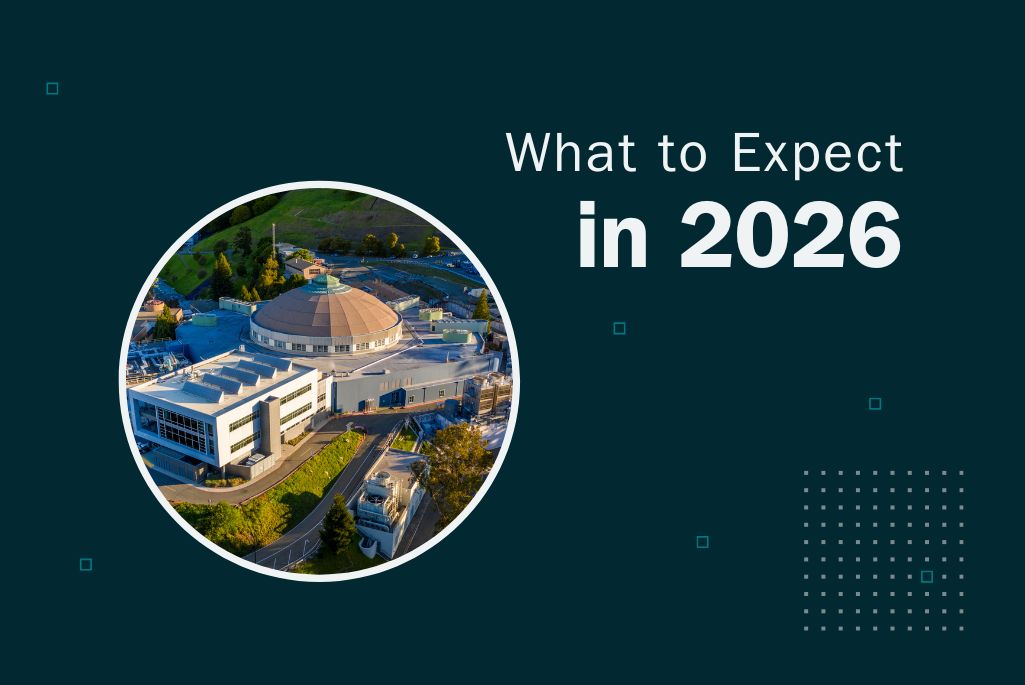
This is one of several interviews in a series about the changes we can expect at the Lab in 2026.
What are Facilities’ major projects for 2026?
2026 is not going to be a passive year for us. We’ve already hit the ground running with a purpose, a clear plan, and strong momentum.
Over the past year, Facilities developed a long-range strategic plan to guide our efforts and determine where we will allocate our resources. This process helped us step back, assess our organizational maturity, and clarify our vision and direction. It also helped us align our priorities with our strengths in customer focus, improving equipment reliability, and reducing institutional risk.
In the first quarter, we’ve shifted out of planning to execution mode. One of the key items on our plate is implementing our strategic plan. We have several initiatives underway, with assigned leads and support teams. Additionally, we completed a quarterly business review to assess our progress, identify major challenges and roadblocks, and make necessary adjustments. This is one of our major areas of focus. With tighter budgets, we’ve also had to prioritize our maintenance funding and investments to keep our buildings’ infrastructure safe, reliable, and ready to support science.
We’re excited about adding new capabilities, improving reliability, and enhancing resilience through our project work. We’re transitioning major projects such as BioEPIC to Operations and supporting the construction of Collaboration Commons to build capabilities within the Lab. The Facilities Division is also modernizing utility systems and making targeted improvements and repairs across the site. This includes addressing roofs and water intrusion, replacing aged equipment, refreshing spaces, and ensuring we have the right critical spare parts to respond quickly to emergencies.
Though this work isn’t glamorous and it all happens behind the scenes, it is essential. Our efforts ensure that the site remains available and reliable 24/7, 365 days a year, reducing institutional risk, preventing unplanned outages, and allowing research to proceed uninterrupted.
What excites you about these projects?
I’m excited that Facilities is becoming increasingly customer-focused. Part of our strategic planning exercise was to understand how our roles provide the most value to the Lab and where we fit within Operations. A key focus is communicating to our team how we support the mission by advancing science, and I believe we are doing this effectively. When we perform our jobs well, and the facilities and infrastructure are functioning properly, science moves forward. When infrastructure fails and services break down, scientific work can come to a halt. This highlights our essential role in contributing to the Lab’s success.
We’re refreshing our team’s mindset and operations to enhance our performance, customer service, professionalism, and overall pride in our work. It’s exciting to see this shift already taking hold.
How is Facilities addressing or planning to address the challenges that come from these projects?
From a performance perspective, we gained valuable insights about our organization through the strategic planning exercise. One of the first things we took was a maturity assessment, which helped us understand our strengths, weaknesses, and areas for improvement.
Approaching this with an improvement mindset has helped us greatly. We identified key challenges, including understanding our customers’ needs, setting performance standards to hold ourselves accountable, and identifying inefficiencies in our processes to work faster.
We are addressing these challenges through our strategic plan, where we’ve identified key strategic initiatives for each area. This includes communication planning, actively engaging with our customers, and asking for feedback. We have a number of ways that we’re trying to reach out and gain customer perspectives.
In addition, we’re developing new service level agreements with the building occupants to better understand their needs, establish service levels, hold ourselves accountable, and measure our performance against these standards.
We’re also streamlining the way we work within our work order system, responding to customers promptly, and breaking down internal barriers. Organizationally, we’re restructuring our processes to complete work quickly and efficiently.
How does Facilities partner with research on large and small projects?
Partnerships start with relationships. By making connections with our customers and engaging with them early, we build trust and develop those relationships.
Not long ago, I saw a note from someone who took the time to acknowledge one of our site services people for coming in early, going out of their way to help, and having a can-do attitude. They were impressed that we were there to help them get their things done. This level of engagement and trust reinforces our message: “We’re here to help you. Let us know what your needs are.” When our customers feel they can come to us to have those needs met, we’re establishing a real relationship.
Partnerships become more complex on the physical project side. We have numerous maintenance projects due to our aging infrastructure, facing challenges such as unknown conditions, funding constraints, and tight schedules, all while ensuring that science keeps moving. We address these challenges by engaging with our customers early, working with their schedules, identifying obstacles, responding to their needs, and maintaining transparent communications. Again, it’s all about partnership and responsiveness to our customers’ needs.
Additionally, we’re better integrated with our other Operations areas and work closely with divisions such as Projects & Infrastructure Modernization (PIMD), Security & Emergency Services (SES), Environment, Health, and Safety (EHS), and the Office of the Chief Financial Officer (OCFO). These internal relationships enable us to work more efficiently and complete projects faster.
What challenges have you observed in your role as Deputy Division Director?
One of the challenges we are making great progress in is building and maintaining strong relationships with our science partners and other Operations divisions. I want people to be able to call me and let me know what their needs are. If something doesn’t go as planned, communicate that to me, and we can solve the problem together.
For example, a few years ago, we had considerable friction between Facilities and PIMD that slowed everything down. Today, there’s greater trust and we are working together to proactively solve problems. Our people are happier, work is moving faster, and as a result, we’re using our resources, people, and money more efficiently. We are delivering services and project support to our science customers much more effectively.
What accomplishments or progress are you (collectively for the organization) most proud of in the last few years?
Developing the long-term strategic plan for Facilities is definitely at the top of my list. This was a real team effort grounded in a self-improvement mindset. From the beginning, we engaged broadly with people across the division, conducting interviews and gathering feedback to identify areas for improvement. Based on this, we defined our vision and our mission.
We also aligned our strategies to drive operational excellence, enhance the customer experience, and improve infrastructure resilience through a series of strategic initiatives. We prioritized where we needed to go and mapped a realistic path forward. In the first quarter of the fiscal year, we shifted from planning to execution mode. We’re now measuring our progress, celebrating our wins, and things are moving forward. Of course, not everything is perfect, so when we do need a course correction, we’re making those adjustments pretty quickly.
This will have a lasting positive impact on our division and the Lab’s perception of Facilities. That’s one of the areas that we’ve done really well on this year, and I’m very proud of that.
What do you enjoy doing when you’re not working at the Lab?
Two things come to mind: riding bikes and parenting. I ride my bike to work every day, rain or shine, and I have the luxury of living close, so it’s not too heavy a lift. I also have a group of friends I’ve known for over 20 years that I ride with, often before work and regularly on weekends. It’s one of the areas where I have close relationships, have a lot of fun, and support my fitness and mental health.
I also have three kids, with the youngest about to graduate from high school. We’re all learning as we go as parents, figuring things out, trying not to make the same mistakes, and watching them become young adults.
