
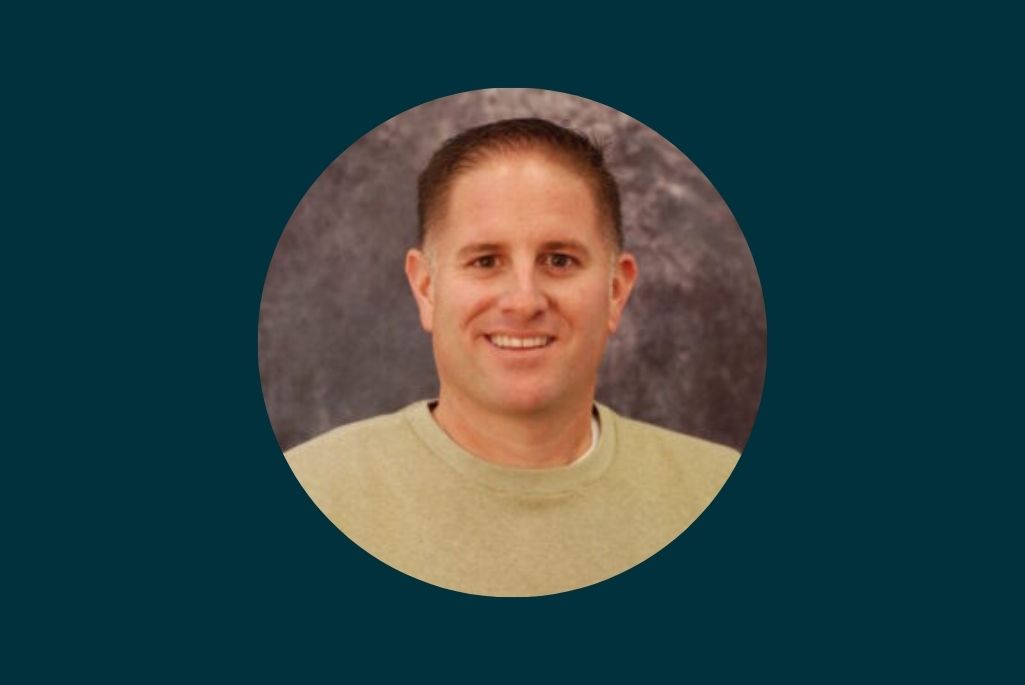
Can you tell us a bit about your background and your role at the Lab?
I have 18 years of facility management expertise, having begun my career with an IBEW Inside Wireman apprenticeship in 1999 and later earning a Bachelor of Science in Criminal Justice in 2015. Since joining the Lab in 2003, I’ve held various roles, including Electrical Lead, Work Planner/Scheduler, Technical Supervisor, and Technical Manager, before becoming Department Head for Maintenance & Operations (M&O) in 2019.
In my current role, I lead a team of over 130 employees, including managers, supervisors, and craft workers. My primary responsibility is overseeing the safe operation, maintenance, repair, and replacement of facility systems across the Lab’s 200-acre site, ensuring major utilities like high-voltage electrical, HVAC, and high-pressure boilers remain in a ready state to support world-class science.
What are the key projects your team has been focused on in 2026, and what’s on the horizon?
This year, my team is heavily focused on operational excellence, taking a disciplined approach to safety, and developing our skilled craft to continue supporting the Lab community.
One area that I’m especially proud of is the internal assessment and promotional process we built for our electrical craft group. To meet the Lab’s unique safety and regulatory demands, we recognized the need to build specialized talent from within, so in FY25, we piloted and rolled out the High Voltage Internal Promotion Process (Career Track Program). With two more candidates currently completing the program, we are proactively expanding our high-voltage resource pool. This internal pipeline is vital for sustaining 24/7/365 operations: it prevents craft fatigue by creating additional training opportunities, enables highly coordinated utility outage scheduling, and ensures our infrastructure maintenance consistently supports the Lab’s scientific mission with minimal disruption.
Looking ahead, we’re preparing to roll out the Maintenance Operations Center (MOC) to the Lab community by the beginning of FY27. Right now, navigating facility requests and inquiries can require routing through multiple channels. The MOC will change that by serving as a single, centralized resource where dedicated, highly trained staff address concerns in a timely manner and route complex issues swiftly to the right Facilities personnel. It’s a direct extension of the Lab’s team science approach — by streamlining operational support, we ensure researchers and staff can focus on their vital work rather than facility logistics.
The initial launch will revamp our daily communication and dispatch efforts, but our vision for the MOC continues to grow. Future enhancements will build on our work integrating advanced communications platforms, adding capabilities like real-time monitoring and critical system updates. By investing in the MOC, we are taking a significant step forward in our mission to manage the Lab’s infrastructure safely, efficiently, and effectively. We will share more updates with the Lab community as we prepare for the FY27 rollout.
How does your team partner with research on projects?
My team partners directly with Lab Research Divisions and the Facilities Engineering Department to identify mission-essential equipment and establish tailored maintenance strategies. This collaboration ensures the operability and readiness of systems critical to ongoing scientific research. We also work closely with the Projects and Infrastructure Modernization Division (PIMD) to assess their project support needs and provide the necessary electrical and craft resources to complete their initiatives successfully and on time.
The level of support varies by project. For most research projects, we provide the resources and personnel to do the work; when a project needs design support, that runs through Engineering. As operators of the Lab’s utilities, my team partners most closely with research groups on the operations side. For example, we recently completed several electrical maintenance outages, coordinating with our Facility Area Managers, craft, and technical managers and supervisors to keep disruptions to research as minimal as possible. We’re also currently partnering with ALS-U, providing the necessary personnel and resources to support their day-to-day project activities.
On the installation side, my craft team collaborates with the Scientific Equipment Installation (SEI) team and research staff to support infrastructure modifications for new equipment. We also manage a high volume of annual work orders, ensuring facilities are properly configured and maintained to support the Lab’s specific scientific requirements.
At Maintenance & Operations, we look at research as the reason we’re all here — so we want to support it on every level, as best we can.
What accomplishments are you most proud of in recent years?
I am exceptionally proud of the steps we’ve taken in emergency preparedness and safety compliance. Notable accomplishments include:
- Designing the Lab-wide power loss program and response procedures in support of our Integrated Safety Management System.
- Establishing the Hazardous Energy Controls team within our electrical organization to ensure strict compliance with DOE, NFPA 70E, and the Lab’s Electrical Safety Program.
- Serving as the onsite technical supervisor during both planned and unplanned utility outage events, providing critical guidance and ensuring safety compliance across the Lab.
- Developing and achieving yearly department goals that successfully align with the Laboratory’s broader scientific mission.
What challenges or opportunities do you see ahead for the department?
A persistent challenge for the department is managing the complexities of a round-the-clock operation while balancing workloads under fluctuating priorities and resource constraints. Overseeing high-risk activities — such as high-voltage electrical distribution and hoisting and rigging operations — requires constant vigilance and continuous safety training.
But these challenges also create excellent opportunities. One is to optimize our operations by further implementing Reliability Centered Maintenance (RCM). Another is building organizational resilience through workforce development. By cross-training staff and developing succession plans, we can capture institutional knowledge from retiring employees and eliminate the “single points of failure” within our specialized craft teams.
Anything else you’d like to add?
Safety is paramount to everything we do, but what I’m really trying to build within Maintenance & Operations is that team science approach.
We went through a reorganization recently that brought operations together with maintenance under one group. The goal was to reduce handoffs and work more as a single team — to centralize coordination, build a clear chain of communication, and execute work the way we’ve always done it: safely, but faster, and ideally more cost-effectively. I know everyone is dealing with budget constraints and uncertainty right now, and we want to be responsive to that.
Ultimately, it’s important to me that the research community has faith in us to be good stewards of the Lab and to do the right thing. That means not leaving things status quo and taking the feedback we get from researchers and the community to heart. We hear from them often, and we genuinely try to act on it. It’s a tough job keeping everyone happy, but that’s what we’re always working toward.

1 Comment
Kudos to Ryan and his team! The fact that we don’t hear much about them signals their effectiveness. I appreciate this look under the hood. Thanks again!