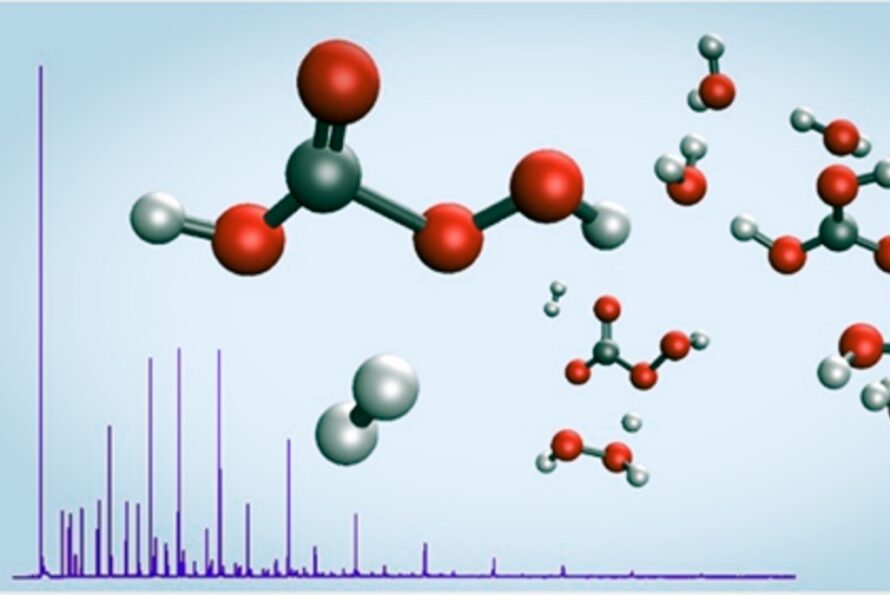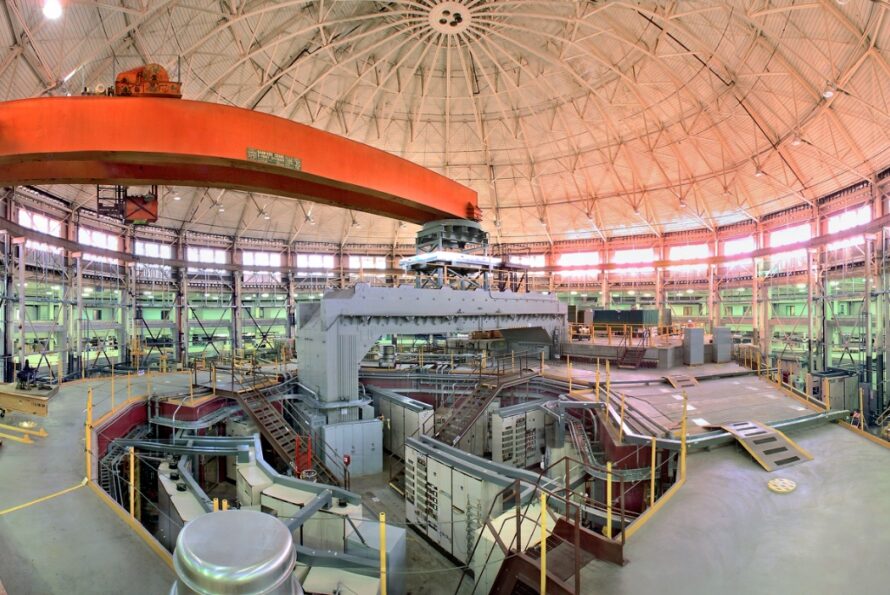
A comparative infographic showcasing the results of three different generative AI models in creating scientific images. Composite illustration of three circles against a dark blue background with the largest circle in the center labeled "Lawrencium Cluster"; the smaller circle on the left labeled "New IT Support Portal"; and the same-size circle on the left labeled "Open on Demand" Two persons seated at wood table: one person with short dark hair, colorful tattoos on both arms probes a mound of brown crystals while other person with long blond hair look on Seated person with long brown hair wearing tan jacket manipulating device on a desktop while a standing person with short dark hair in a green sweater looks on A security guard in a neon safety jacket and a hat gives a thumbs up to the driver of a car entering through the Lab's secured gate. Composite illustration of three hexagonal-shaped graphic elements with text at top "Mentoring@LBNL Prepare for Your First Mentoring Meeting" Brightly lit scientific lab with counter upon which many instruments are displayed Photo of black chalkboard on wood surface with text "New Year" ringed by green foliage with red berries Alexander Hexemer, Tanny Chavez, and Liz Clark pictured at the ALS microtomography beamline with an AI-driven web interface that will be leveraged by SYNAPS-I. Composite illustration of photo of crowd of people standing in front of posters in booths with text above "2026 WCCUSD Science & Engineering Fair" Interior of a large industrial facility with a domed ceiling, featuring a prominent orange overhead crane, structural beams, and various machinery and equipment used for scientific research or engineering purposes. Graphic of person boarding a Berkeley Lab shuttle with text that reads, "What to Expect in 2026" on a nvay background.

Send