
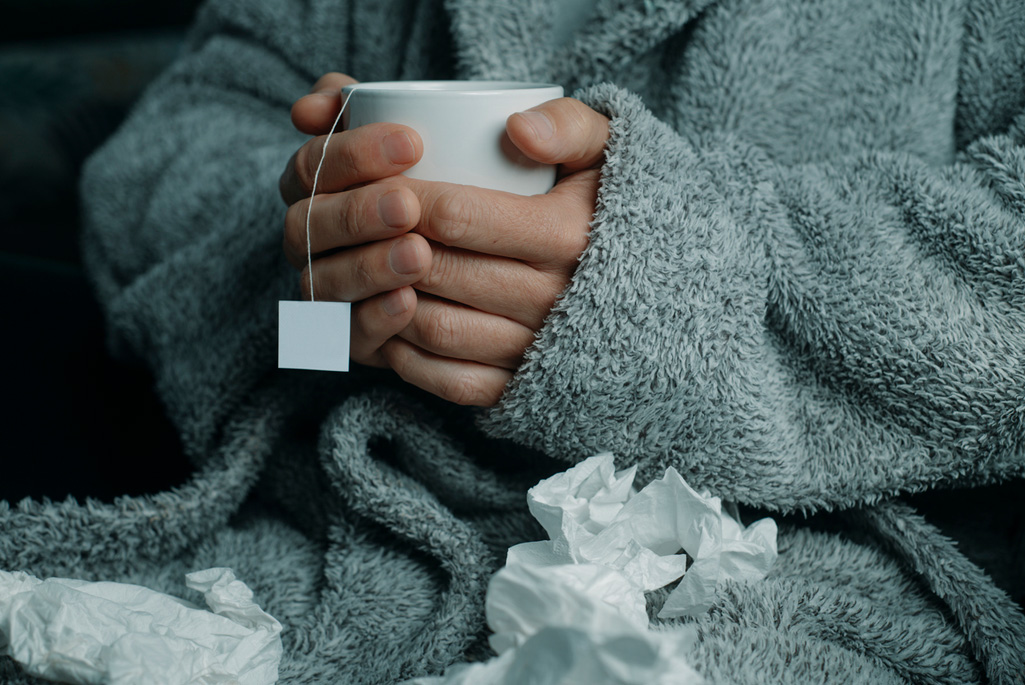
The season for respiratory viral infections is soon approaching. Over 200 viruses have been identified that can cause human respiratory tract infections. Among these, influenza, COVID, and respiratory syncytial virus (RSV) can cause more severe disease, particularly in the very old and the very young, as well as in anyone with a suppressed immune system or with other chronic medical problems. Rarely, these infections can be severe even in otherwise healthy individuals.
While there is no longer a requirement to report COVID illness or positive test results, many of the prevention strategies learned during the pandemic such as vaccinations provided by Health Services are still strongly recommended.
To help the Lab community prepare, Dr. Joseph Toscano, Lab Site Occupational Medical Director, will host a virtual Lunch & Learn on Tuesday, Nov. 18 at noon to cover the increased risk of respiratory illness and steps to take if you fall ill.
Submit your questions in advance using this Google form.
What can anyone do to prevent or decrease the chance of becoming ill or manage their condition if they do become ill?
In addition to vaccination for some conditions, preventative measures for any respiratory tract infection include:
- Staying home and otherwise keeping some distance from others when ill
- Seeking medical care if symptoms are moderate to severe or progressive
- Proper cough etiquette/“covering one’s cough” and mask-wear
- Regular, adequate hand hygiene, even when not ill
- Knowing whether you or family members have any underlying medical condition or are at an age that increases risk of doing poorly with a respiration infection, and seeking medical care as soon as one feels ill if any of these apply
- Waiting until your symptoms improve for 1-3 days and fever resolves for at least 24 hours without the use of fever medication before returning to work or other public activities
We became much more familiar with these strategies during the pandemic, but they remain effective principles at limiting the impact of any respiratory virus on ourselves, our coworkers, and communities – whether it be the minor but real nuisance of a rhinoviral “common cold” or a severe case of the flu, or worse.
For additional information on respiratory infections, visit the CDC website. California-specific information can be found here. For more prevention strategies, visit the CDC’s website on this subject.
Do we need to worry about avian, swine and other forms of influenza?
Occasionally strains of avian, swine, or other variant influenza can cause disease in humans who are exposed to infected animals. Disease severity varies depending on the specific virus strain. At this time, human-to-human contagiousness does not occur, but that situation could change based on mutation of any of these viruses. This situation continues to be followed by many agencies. If there is a danger to humans in general, Health Services will advise the Lab community. Those interested in the current situation can check the CDC sites on avian flu and swine flu.
