
What is new for 2026?
Chris Snyder: One of the most significant changes is the updated training that everyone will need to complete. The training has three modules that provide more in-depth information than the previous training. The module on protective actions, for example, explains how people will be notified and what they are supposed to do. We cover more about wildfires and the recently designated Wildfire Temporary Refuge Buildings. We explain where they are located and what people should do when they reach one of the buildings.
There may be only a short amount of time, probably 30 minutes or less, to notify people to get to one of these buildings and get inside before an approaching wildfire reaches the Lab.
The training also covers what is known as an active assailant threat, explaining how lockdown procedures would work and the personal decisions people need to make to run, hide, or fight in such a situation.
The training is interactive and provides a scenario for you to work through.
Are you making changes this year to educate outside agencies about the Lab so they can quickly respond if needed?
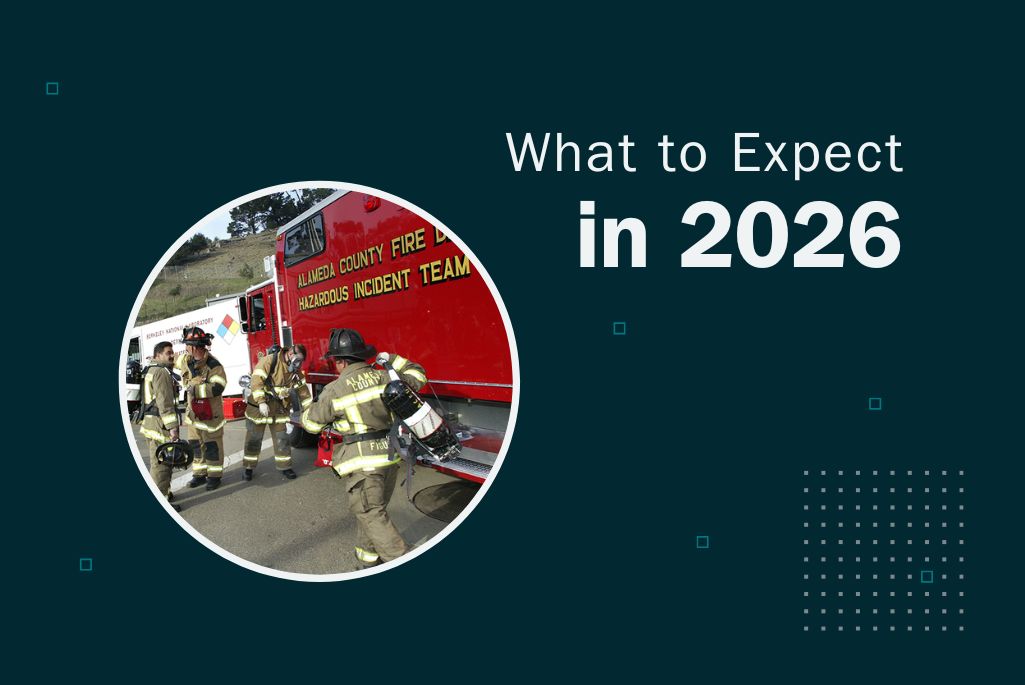
Chris: We have a new map for emergency responders. When they arrive at the gate, we can direct them to the area where they need to go. We provide an escort to get them to the building if time permits. We’ve been working, and will continue to work, with the Lab’s on-site fire department to become more familiar with Lab buildings, especially those with higher hazards.
We have planned a series of tours with other potential first responders, including police, fire, and FBI personnel, and local medical staff, to increase their familiarity with the Lab and its associated hazards.
We are also conducting additional staff training to ensure effective communication with first responders in emergency situations. They have established shared communications and procedures to facilitate collaboration across jurisdictional lines, and we want to have this knowledge to enhance our ability to work together.
We will also conduct what is known as a full-scale exercise in the spring. I can’t share the scenario; we keep that a surprise, but it will involve responses from outside agencies. Those onsite that day will definitely see the simulated response.
What about changes at the Lab itself this year?
James Nuńez: In the first half of the year, we will be installing an outdoor warning speaker system. It will be located in three locations: the east canyon, the western edge, and the center of the hillsite. This is the same type of system that is used on the UC Berkeley campus and in the city. The speaker system will be used for emergency messaging.
We are adding the speakers because not everyone has signed up for LabAlert, has a phone on them, or is in a location where it is possible to use a phone.
The siren system will be tested monthly, with the testing schedule aligned with campus and city testing, which typically occur on the first Wednesday of each month at noon. If you are inside a lab or another room, you may not hear the exact words coming over the speakers, but the tones will be loud enough that you will hear something, and that is your clue to stop and check your email or phone for information.
There also seem to be large orange boxes in some of the Lab’s buildings. What are those?
Chris: Those boxes have been placed in the Wildfire Temporary Refuge Buildings (see map) and are filled with emergency supplies that would be needed if a wildfire were to pass through the Lab. If that happens, people will be instructed to open the nearest box. There is a binder with additional instructions inside each box, plus we will share the instructions in the new training I mentioned. In an emergency, it is tough to recall the training, so the binders will provide step-by-step instructions. In general, people will be told to move to interior rooms in those buildings and use the supplies in the cabinets to seal the room from wildfire smoke.
James: It’s important that people understand that going into the Wildfire Temporary Refuge Buildings will be safer than getting into your car or trying to walk off-site. If there is a wildfire, the community will be evacuating, including the campus. As we saw back in the Oakland Hills fire, most of the fatalities were due to people getting trapped in their vehicles when they tried to exit the area due to the narrow streets and the number of vehicles. A similar situation could occur here, with neighbors and campus personnel attempting to drive away and blocking the surrounding roads.
Are there opportunities for involvement for those interested in emergency planning and response?
James: If there is someone interested or with a background in emergency response, please let us know. Some of our employees already volunteer in their communities, participating in search and rescue or firefighting efforts. We have a role for you at the Lab as part of the Critical Incident Management Group, or CIMG.
We’re currently developing an approval process so that interested parties can present this information to their leadership, outlining the amount of time required for training exercises or actual duty, including responding to incidents.

